


Cannabis in Thailand: From Prohibited Plants to Economic Opportunities with Cannabis Business in the Era of Free Cannabis
Thailand’s journey with cannabis represents a remarkable transformation, shifting from stringent prohibition to embracing its potential as a significant economic driver. For decades, cannabis was classified as a dangerous narcotic, subject to severe penalties for cultivation, possession, and use. However, a progressive wave of policy changes has dramatically reshaped the landscape, culminating in the decriminalization of cannabis in 2022. This bold move has not only altered the legal status of the plant but has also unleashed a burgeoning Cannabis business sector, presenting both unprecedented opportunities and novel challenges. Understanding this evolution, the current Cannabis situation in Thailand, and the emerging dynamics of the Cannabis business in this new era of Free Cannabis is crucial to grasping the full scope of this societal and economic shift.
The Tumultuous Path to Legal Cannabis in Thailand
The road to Legal Cannabis in Thailand was paved with incremental steps and shifting perspectives. While traditional use of cannabis for medicinal and cultural purposes had historical roots, the plant fell under strict control with the rise of international drug conventions in the 20th century. For years, possession of even small amounts could lead to lengthy prison sentences. However, a gradual change began with amendments to drug laws, initially allowing for the cultivation and research of cannabis for medical purposes under strict government control. This marked a significant departure from the zero-tolerance approach and signaled a growing recognition of the potential therapeutic benefits of Cannabis. The establishment of pilot projects and the licensing of certain entities to cultivate and process cannabis for medical use laid the groundwork for the more radical changes to come. These initial steps, though cautious, demonstrated a willingness to explore alternatives and paved the way for the eventual decriminalization, driven by a confluence of factors including public health considerations, economic aspirations, and evolving global perspectives on cannabis. The Cannabis situation in Thailand was clearly heading towards a significant turning point.
Navigating the Era of Free Cannabis
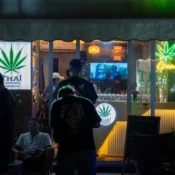
The full decriminalization of cannabis, excluding its psychoactive compound tetrahydrocannabinol (THC) exceeding 0.2% in extracts, ushered in an era of Free Cannabis that has fundamentally altered the Cannabis business landscape. Suddenly, the cultivation, distribution, and consumption of cannabis flower and low-THC products became largely permissible, leading to an explosion of related ventures. Dispensaries offering a wide array of cannabis strains and products sprang up across the country, catering to both local consumers and tourists. The food and beverage industry embraced cannabis-infused items, while wellness centers incorporated CBD products into their offerings. This newfound freedom, however, also presented a complex regulatory environment. The government has been actively working to establish clear guidelines around licensing, product standards, advertising, and the permissible levels of THC in various products. Balancing the economic potential of Free Cannabis with the need to protect public health and prevent misuse remains a key challenge. The rapid growth of the Cannabis business necessitates careful oversight to ensure responsible development and prevent the emergence of unregulated markets.
The Flourishing Cannabis Business and its Economic Impact
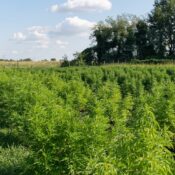
The liberalization of cannabis has undeniably injected significant dynamism into the Thai economy. The Cannabis business encompasses a wide spectrum of activities, from cultivation and processing to retail, tourism, and ancillary services. Small-scale farmers have found new income streams through cannabis cultivation, while entrepreneurs have launched innovative businesses catering to diverse consumer demands. The influx of cannabis tourists further bolsters the hospitality and tourism sectors. Beyond direct economic activity, the Legal Cannabis industry has the potential to stimulate research and development, create jobs, and generate tax revenue. However, realizing the full economic potential requires a stable and well-defined regulatory framework that fosters investment, ensures product quality, and promotes fair competition. Addressing concerns about potential social costs and ensuring equitable access to opportunities within the Cannabis business are also crucial considerations for sustainable growth. The future of Cannabis in Thailand as a significant economic opportunity hinges on navigating these complexities effectively and fostering a responsible and thriving industry in the era of Free Cannabis.