


Exploring the Diverse World of Cannabis Strains in Thailand
Get to know 3 prominent cannabis strains and the current situation
The landscape of Cannabis in Thailand has undergone a dramatic transformation, moving from strict prohibition to a more liberalized environment. This shift has not only opened up economic opportunities but has also fostered a burgeoning interest in the diverse array of Cannabis strains available. As the Cannabis situation in Thailand evolves, understanding the nuances of these strains – their origins, characteristics, and potential effects – becomes increasingly important for both consumers and cultivators.
The accessibility of Cannabis in Thailand, including discussions around Legal Cannabis and the implications of what some might term Free Cannabis, has ignited a curiosity about the specific varieties that thrive in this tropical climate and those that have been introduced from other parts of the world. This exploration into the realm of Cannabis strains promises to reveal a fascinating blend of local adaptations and global influences.
What Cannabis Strains Are They?
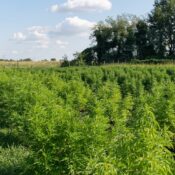
The variety of Cannabis strains now found in Thailand is quite extensive, encompassing both indigenous landrace varieties and a wide selection of imported hybrids. Historically, Thailand was known for its potent sativa landraces, such as Thai Stick, which were prized for their uplifting and energetic effects. These native strains have adapted over centuries to the local climate, exhibiting unique terpene profiles and cannabinoid compositions.
Since the liberalization of Cannabis in Thailand, the market has seen an influx of new genetics, including popular indica, sativa, and hybrid strains from North America and Europe. These imported varieties offer a broader spectrum of effects, flavors, and aromas, catering to a wider range of consumer preferences. Identifying specific popular strains can be challenging due to the rapidly evolving market and the emergence of new crosses and phenotypes. However, anecdotal evidence suggests that strains known for their resilience in tropical conditions and those offering diverse cannabinoid ratios are gaining traction. The Cannabis situation in Thailand is still developing, and the precise cataloging and regulation of these Cannabis strains are ongoing processes.
How Good Are They?
The quality of Cannabis strains available in Thailand is a multifaceted issue, influenced by factors such as cultivation practices, environmental conditions, and regulatory oversight. While traditional Thai landraces are renowned for their potency and unique effects, the quality of newer strains can vary significantly. Some cultivators are adopting modern techniques, focusing on controlled environments and careful curing processes to produce high-quality Cannabis. These efforts often result in strains with well-developed terpene profiles, potent cannabinoid content, and consistent effects. However, as with any emerging market, there are also concerns about inconsistent quality, the presence of contaminants, and a lack of standardized testing.
The perception of how “good” these Cannabis strains are is also subjective, depending on individual preferences for specific effects, flavors, and aromas. The ongoing development of regulations within the Cannabis situation in Thailand is expected to play a crucial role in establishing quality standards and ensuring consumer safety. As the market matures, access to information about the cannabinoid and terpene content of different Cannabis strains will likely improve, allowing consumers to make more informed choices. The availability of Legal Cannabis channels should also contribute to a more reliable supply of quality products compared to the uncertainties associated with the earlier phases of Free Cannabis exploration.
What are the original cannabis strains in Thailand?
The original cannabis strains in Thailand are mainly in the Cannabis sativa L. group, which usually have tall stems, slender leaves, and a higher amount of THC (Tetrahydrocannabinol) than CBD (Cannabidiol), making them stimulating and giving a sense of energy.
However, at present, Thai cannabis strains have been discovered and developed with a wider variety of characteristics and amounts of cannabinoids. Examples of Thai cannabis strains that have been studied and discussed include:
- Squirrel Tail Phu Phan ST1 strain: Found in large areas in the Phu Phan mountain range, it contains THC and CBD in a ratio of 1:1 and smells like ripe mangoes.
- Sakon Nakhon Tiger Tail TT1 strain: High in THC and smells like orange peel.
- Tanawsri White Stem WA1 strain: High in THC and smells like orange peel mixed with lemongrass.
- Tanawsri Red Stem RD1 strain: High in CBD and smells sweet like ripe fruit.
In addition, there are other strains that are well-known in Thailand, such as Thai Stick, which is a traditional compressed cannabis. and newly developed strains such as the independent strain 01
The 3 main cannabis strains in Thailand today
Classifying cannabis strains by physical characteristics (e.g. Sativa, Indica) may not accurately indicate the properties and amount of cannabinoids. Considering the results of cannabinoid and terpene analysis will provide more accurate information.
Sativa cannabis strains
Sativa cannabis strains: stimulates the sense of alertness, freshness, creativity, suitable for daytime use. Examples of Sativa cannabis strains are cannabis strains in Thailand. In this group, popular in Thailand include Jack Herer, Sour Diesel, and Green Crack, which are known for increasing energy and concentration. Sativa cannabis strains are therefore popular worldwide.
Indica cannabis strains
Indica cannabis strains: generally have a relaxing effect, causing a feeling of calmness, drowsiness, suitable for use at night to help sleep. Indica cannabis strains are foreign strains. This group is commonly found in Thailand, such as Northern Lights, Granddaddy Purple, and Afghan Kush, which have properties to reduce stress and aches and pains.
Hybrid cannabis strains
Hybrid Cannabis Strains: These are a cross between sativa and indica strains, resulting in a wide range of characteristics and effects, depending on the proportions of the parent strains. Many cannabis strains in Thailand are hybrids that have been developed to achieve specific properties, such as being relaxing but still refreshing, or stimulating creativity without causing anxiety.
The situation of cannabis in Thailand: From prohibited plant to medical and economic freedom
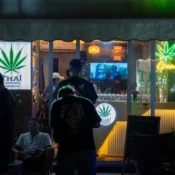
The cannabis situation in Thailand has changed dramatically in recent years, from a strictly controlled plant to legal cannabis, or free cannabis in Thailand for medical and commercial purposes. This change has opened up opportunities for extensive research, development and product development from cannabis, resulting in new businesses and generating income for the country. However, free access to cannabis remains an issue that requires careful consideration of its social and health impacts.
The legalization of cannabis also brings with it challenges in controlling the quality and safety of products, as well as educating the public about responsible cannabis use. Having clear laws and guidelines is therefore essential to managing the cannabis situation in Thailand in a direction that maximizes social and economic benefits.
Cannabis Strains in Thailand: Potential and Future Directions
Cannabis strains in Thailand have great potential for development to meet the diverse needs of consumers and industries, whether it is the development of strains with high CBD content for medical use or the improvement of strains with unique flavors and aromas for use in recreational products. Continuous research and development of cannabis strains in Thailand will help increase competitiveness in the global market.
In addition, promoting the cultivation of native cannabis strains is also important for genetic conservation and biodiversity creation. Supporting farmers to gain knowledge and understanding of growing high-quality cannabis and creating production standards will be important factors in driving the cannabis industry in Thailand to grow sustainably in the future. Although the issue of free cannabis is still a matter of debate, focusing on strain development and quality control will be an important foundation for the effective utilization of cannabis.
Currently, Thailand has continuously certified and registered new cannabis strains to promote the medical and economic utilization of cannabis.
References Information and Images:
- Information: Website…… (domain.com)
- Image for this article: Unsplash website (unsplash.com)